 ប្រែទៅជាភាសាខ្មែរ
Past work
Objective
Vaccinate at least 70% of the canine population across Phnom Penh, Kandal, and Battambang Provinces to establish herd immunity against rabies.
Impact
221,430
Dogs vaccinated across three provinces
108,934
Battambang
64,107
Kandal
48,389
Phnom Penh
91.80% coverage
83.90% coverage
76.40% coverage
Veterinary Services
Alongside vaccination activities, mobile veterinary teams expanded access to animal healthcare in underserved communities:
How the Campaign Was Delivered
Hybrid Door-To-Door
Vaccination teams conducted door-to-door dog vaccinations.
Village Chiefs
Village chiefs supported community coordination.
WVS Data Collection App
GPS-guided mapping via the WVS Data Collection App ensured full geographic coverage.
Vaccination teams included:
416 Village Animal Health Workers
54 Provincial and district veterinary officers
84 Veterinary students from the Royal University of Agriculture
168 Veterinary students from the Prek Leap National Institute of Agriculture
45 International technical volunteers
Partners
General Directorate of Animal Health and Production

Provincial Department of Agriculture, Forestry and Fisheries

Communicable Disease Control Department

National Institute of Public Health

Royal University of Agriculture

Prek Leap National Institute of Agriculture
Looking Ahead (2026)
Expanding vaccination to three additional provinces: Pailin, Pursat, and Banteay Meanchey.
Objective
Equip children and community members with the knowledge to prevent rabies, practise safe behaviour around dogs, and respond appropriately to dog bites.
Impact
632,954
School children educated
14,770
Teachers trained
1,668
Schools reached
Battambang | Kandal | Phnom Penh | Kampot
Key Development
In 2025, the project expanded into lower secondary schools, reaching adolescents who increasingly play a role in animal care and community awarenessHow the Project Works
Training of Trainers (ToT)
The project is implemented through a Training of Trainers (ToT) model
Education System
This approach allows knowledge to cascade efficiently through the education system
Key Delivery Elements
Training teachers to deliver rabies education lessons in classrooms
Interactive school sessions designed for primary and lower secondary students
Integration of rabies education with vaccination and surveillance projects
Large-scale teacher surveys to assess knowledge of uptake and improve lesson materials
Partners

School Health Department
School-based Awareness Expansion
The School Health Department partnered with the World Food Programme (WFP) to expand school-based rabies awareness in Siem Reap, Kampong Thom, and Kampong ChhnangLooking Ahead (2026)
Expanding rabies education to three additional provinces: Pailin, Pursat, and Banteay Meanchey
Extending lessons to lower secondary schools in Battambang and Kampot
Continuing primary and secondary education programmes in Phnom Penh and Kandal
Expanding to the high school level (Grades 10–12)
Integrating rabies awareness into the national school curriculum.
Piloting pre-service teacher training before working in Battambang to strengthen long-term sustainability
Expanding community education to reinforce rabies prevention beyond schools
Objective
Strengthen rabies surveillance by investigating dog bite incidents, identifying suspected rabid animals, and supporting rapid public health response.
Impact
5,564
Bite Investigations Conducted
16
Cases involving laboratory-confirmed rabid dogs
28
Samples successfully recovered for laboratory testing
Key Development
Strengthened provincial leadership, with IBCM Supervisors and provincial teams taking a larger role in case coordination, follow-up, and reporting
Expanded collaboration with the public health system, particularly in Kampot Province
Integration with community health structures, including Operational Districts and Health Centres, to maintain bite reporting
How the Project Works
Human Dog Bite Report
Recording and responding to reported dog bite incidents
Suspected Rabies Case Investigation
Conducting follow-up investigations of animals involved in bite cases
Identifying Potential Rabid Animals
Linking the public health and veterinary sectors to rapidly detect and respond to suspected rabies cases
Partners
General Directorate of Animal Health and Production
Provincial Department of Agriculture, Forestry and Fisheries
Communicable Disease Control Department

Provincial Department of Health

Institut Pasteur du Cambodge

Phnom Penh Animal Welfare Society
Looking Ahead (2026)
Expanding IBCM to three additional provinces: Pailin, Pursat, and Banteay Meanchey
Implementing active rabies surveillance in Battambang and Phnom Penh
Strengthening rabies reporting through Provincial Health Departments, with government-funded training workshops supporting programme implementation
74,983 dogs vaccinated and 70.3% coverage achieved
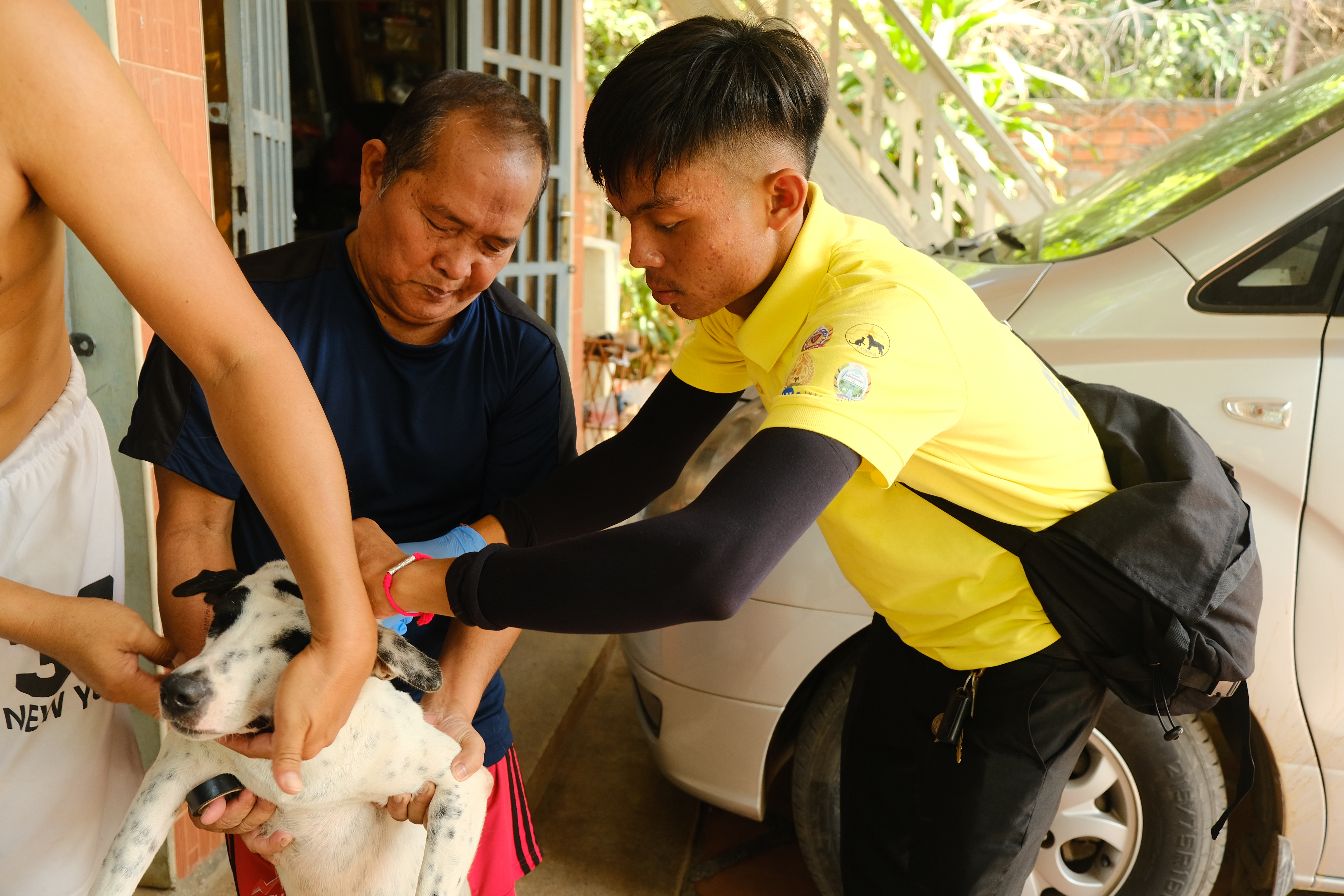
In May and June of 2023 Mission Rabies Cambodia, a project of Worldwide Veterinary Service and Animal Rescue Cambodia, collaborated with the General Directorate of Animal Health and Production (GDAHP) and other partners to deliver a mass canine rabies vaccination drive. Following the pilot project in 2019, the campaign was originally scheduled to commence in 2020, but the COVID-19 pandemic resulted in postponement until international travel became feasible again. After months of planning, the campaign could finally go ahead, achieving something that had never been done before in Cambodia. In just ten working days, 74,983 free rabies vaccinations were administered to dogs across Phnom Penh and Kandal Provinces, making this the country's biggest canine rabies vaccination project to date. As 99% of all human rabies deaths are the result of an infected dog bite, this campaign is a major step towards eliminating human rabies deaths in the country.
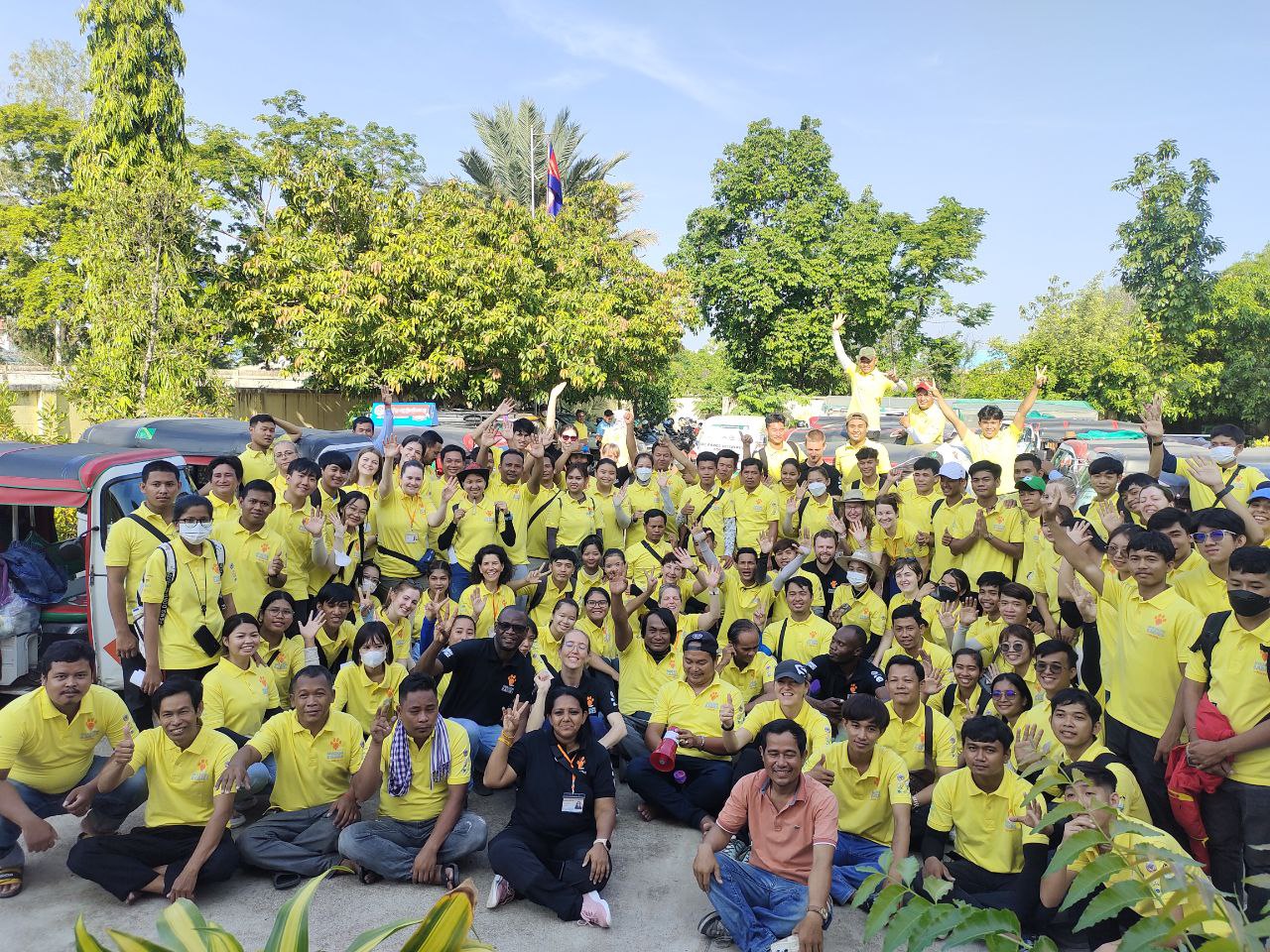
This large-scale vaccination drive was a colossal collaborative effort with more than 550 people coming together to make it happen. This included staff from partnering organisations, over 250 Cambodian veterinary students, and more than 90 international volunteers who travelled from all around the world to support the campaign. The project was delivered in partnership with GDAHP, Royal University of Agriculture, Prek Leap National Institute of Agriculture, Phnom Penh Animal Welfare Society (PPAWS), and many more dedicated partners of which we are delighted to have worked with throughout this project.
Rabies kills approximately 59,000 people globally every year, with children accounting for a disproportionately high percentage of global rabies deaths. Although limited data exists regarding the prevalence of rabies in both humans and animals in Cambodia, it is estimated that 810 people die from rabies every year, and the country has one of the highest rabies death rates per capita of any country in the world. There are approximately 500,000 annual dog bite cases, but rabies post-exposure prophylaxis (PEP) is available at just three locations across the country. In addition to the disease's devastating impact on human lives, rabies also imposes a substantial financial burden on affected communities.
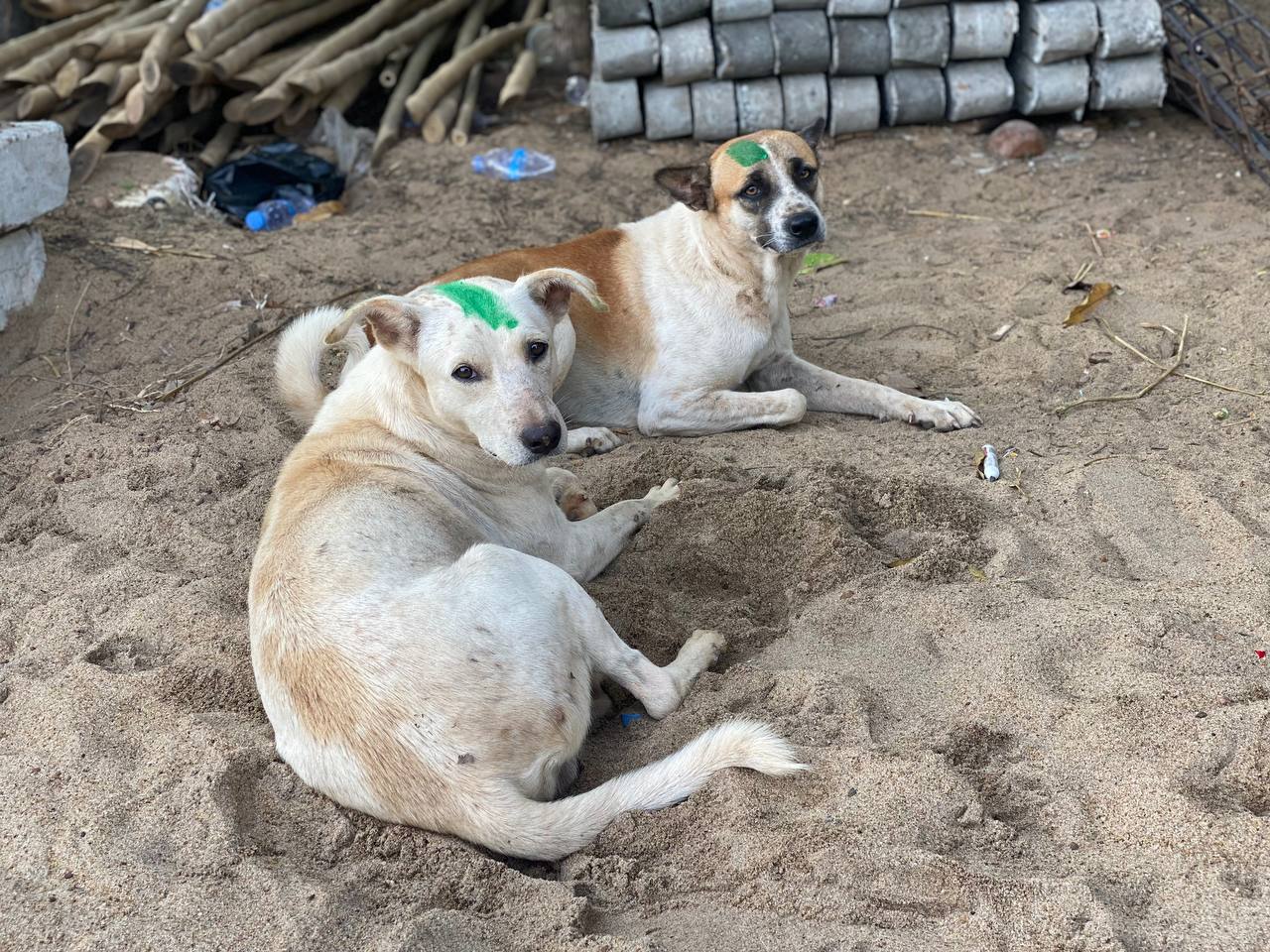
Overall, the situation surrounding rabies in Cambodia highlighted the pressing need for comprehensive data collection, increased public awareness, and the implementation of targeted prevention and control measures to mitigate the burden of this deadly disease on both human and animal populations. Infected dog bites are the main cause of rabies in people and studies have proven that mass canine vaccination programmes are the most effective way to control the disease. By vaccinating 70% of a canine population, rabies can be stopped in its tracks, achieving herd immunity and preventing the unnecessary deaths of people and animals. The key objectives of the campaign were to reach the required 70% vaccination coverage in the canine population of Phnom Penh Province, establish a more accurate dog population estimate, provide logistical training to in-country partners, and develop a blueprint for rabies control in Cambodia. We are delighted that all of these objectives were achieved, contributing to the health and protection of almost 2.3 million people living of Phnom Penh Province.
In September 2019, a pilot rabies vaccination campaign took place in Chbar Ampov and Mean Chey Districts of Phnom Penh Province with 5,400 dogs vaccinated in ten days. This pilot project provided valuable data for the 2023 campaign, building upon the successes of this initiative and addressing key areas for improvement. A follow-up initiative was conducted to produce dog population estimates in various regions across Phnom Penh Province. This survey provided insights into the dog population dynamics and served as a foundation for the planning and implementation of the 2023 campaign. Integrated Bite Case Management, a process which assesses the risk of rabies in animal bite cases, has been running in the country since 2020.
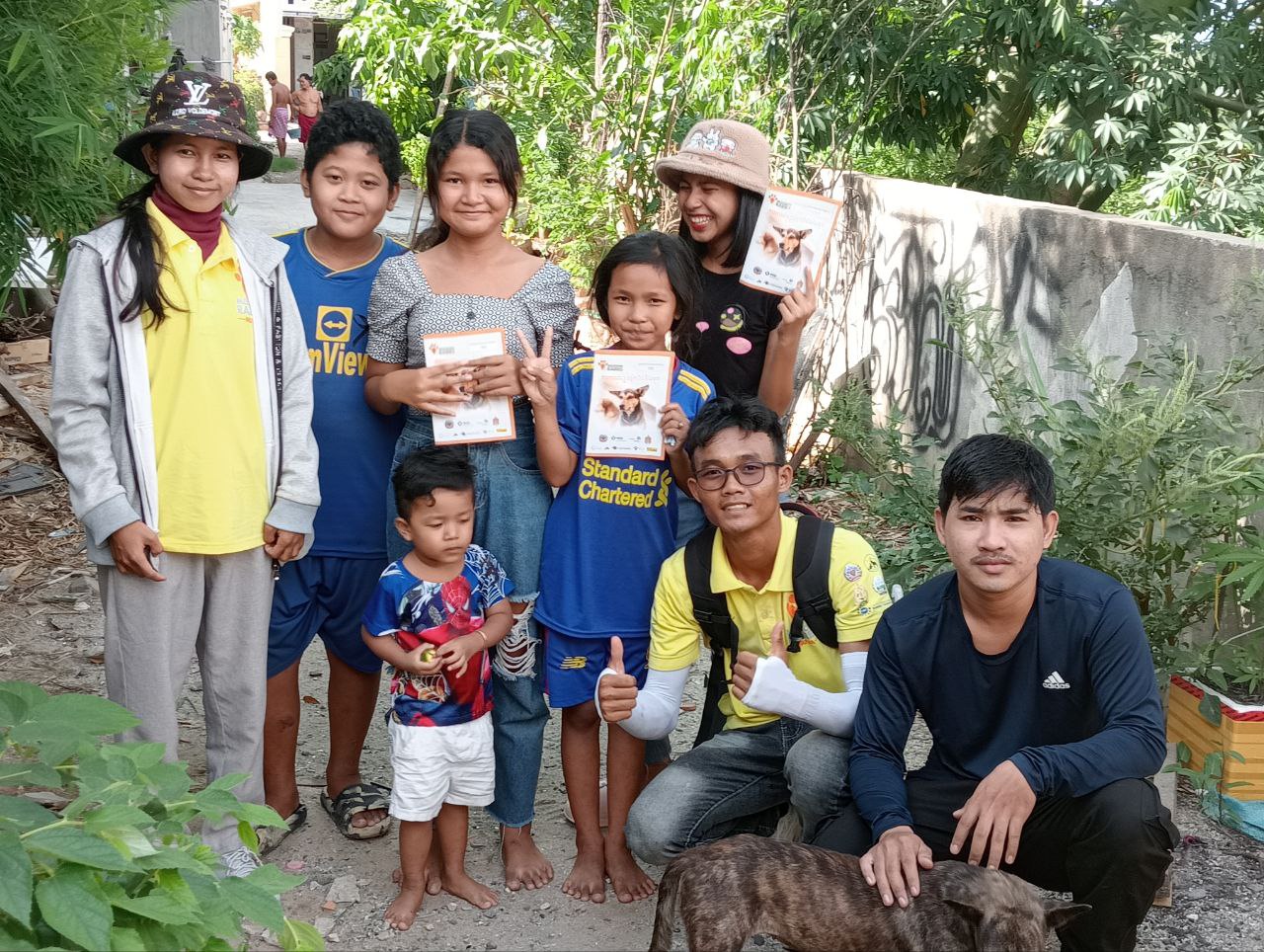
To deliver a campaign of this magnitude, direct sensitisation was vital in ensuring community participation and cooperation in the vaccination process. In the lead up to the campaign, our education officers engaged with the community at 568 key locations, such as pagodas, marketplaces, and community centres, and distributed informative leaflets and posters. This also provided an opportunity to address any concerns or misconceptions regarding the vaccines and alleviate fears. Announcements were made throughout the local communes of Phnom Penh Province and the involvement of village chiefs was incredibly valuable to the campaign. To reach a wider audience, further awareness was raised through the campaign website, social media advertising, radio announcements, and through coverage in local and national media outlets. An opening ceremony was held on the first day of the vaccination drive at the Prek Leap National Institute of Agriculture which was covered by national television stations.
During the campaign, ten vaccination teams, each consisting of 30 volunteers, were divided between three hubs in Phnom Penh Province. These hubs provided a base for team logistics and the distribution of vaccination supplies and team equipment. Each team was split into smaller units, with one Khmer speaking volunteer paired with one international volunteer per tuk tuk. These vaccination units were supported by Khmer speaking sensitisation officers with the vital role of engaging with the community. The sensation officers' key objectives were to initiate discussions about the campaign, explain its purpose, and seek consent from dog owners for the vaccination process. This advance notice allowed dog owners time to prepare their dogs for vaccination.
GDAHP facilitated the involvement of veterinary students from two universities in Phnom Penh, which was pivotal to the campaign. Over 250 students from the Royal University of Agriculture and Prek Leap National Institute of Agriculture played integral roles within the vaccination units. Working alongside the students were over 90 veterinarians, veterinary nurses, veterinary technicians, and animal care assistants who travelled to Phnom Penh to provide support for the campaign. One of the major advantages of this collaboration was the expertise and skills that the international volunteers shared with the veterinary students, while simultaneously gaining insights into local knowledge and customs.
During the ten days, the teams travelled from the outskirts of Phnom Penh Province to the heart of the city, going door-to-door to administer the rabies vaccines. Use of the WVS Data Collection App enabled ease in assigning areas to teams and ensured that overlap did not occur. Information about each dog encountered was entered into the app, providing valuable data insights that were reviewed daily by the project management team. This data allowed our team to monitor the project's progress and identify any working regions that required revisiting. Due to the remarkable progress of our vaccination teams in Phnom Penh Province, we were also able to execute our contingency plan of expanding the campaign into Kandal Province during the second week.
To determine the vaccination coverage achieved, post-vaccination surveys were conducted with surveyors utilising the WVS Data Collection App. Over the ten days, our teams vaccinated a total of 74,983 dogs across Phnom Penh and Kandal Provinces, achieving an average of 70.3% vaccination coverage across the districts of Phnom Penh Province. Although canines were the focus of the campaign, 2,145 cats were also vaccinated, bringing the overall vaccination count to 77,128. During the project, rabid dog investigations were carried out with two cases confirmed as positive for rabies. This project has been a major step towards eliminating human rabies deaths in Cambodia, and we now have a blueprint for rabies control in the country. The new data will support future campaigns and the surveys have enabled us to calculate an updated dog population estimate for Phnom Penh Province. We are incredibly grateful to our phenomenal project partners and everyone who has supported this campaign as we strive for a rabies free future.
In September 2019, GDAHP, Mission Rabies, Animal Rescue Cambodia and Phnom Penh Animal Welfare Society conducted a joint pilot canine rabies vaccinated project. 5,418 dogs (and 982 cats) were vaccinated in 10 days in the Districts of Mean Chey and Chbar Ampov.
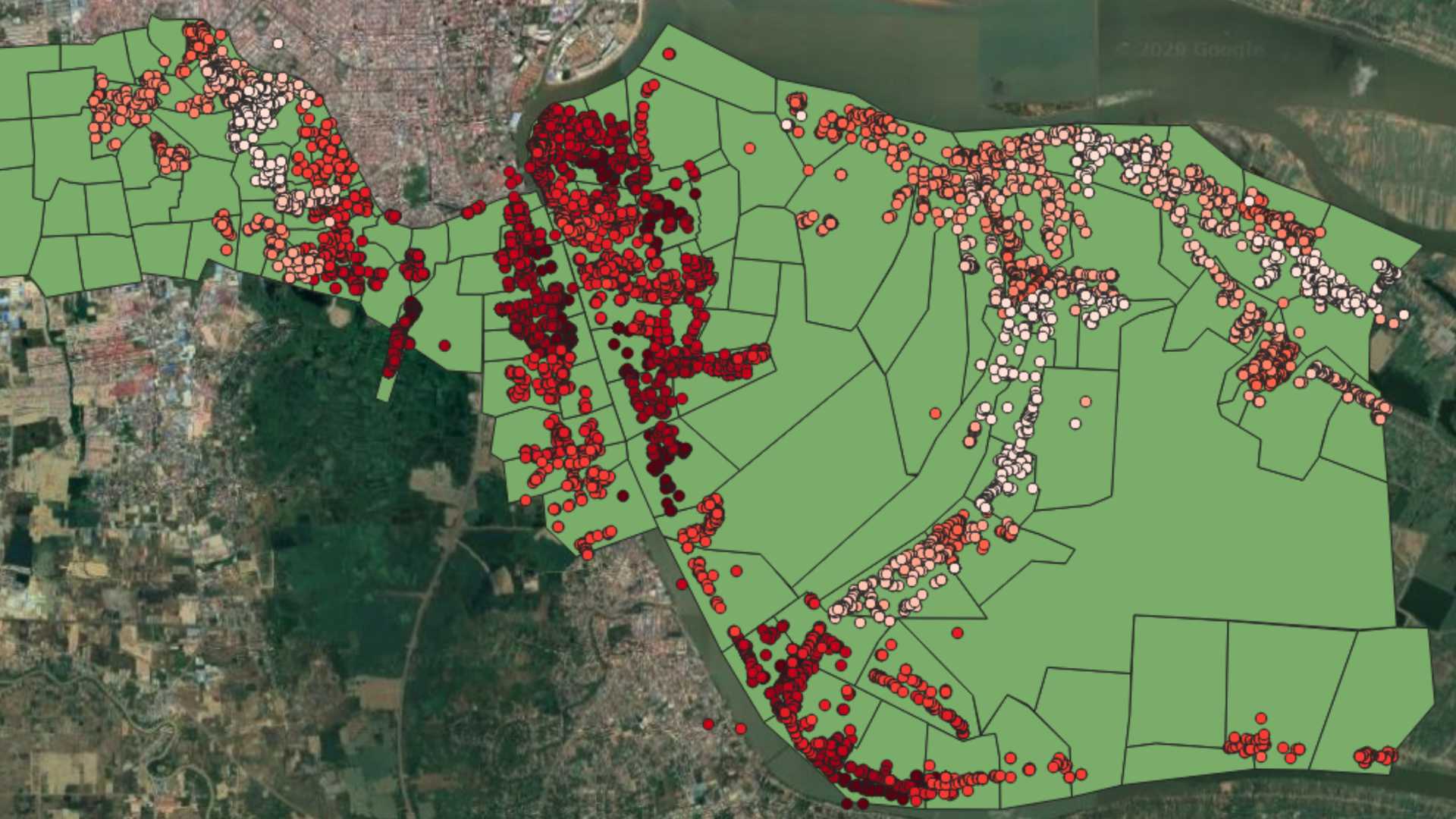
Twelve two-person vaccination teams worked door-to-door, guided by and recording data using smart-phone technology, vaccinating all dogs they encountered. These teams were made up of international volunteers and local volunteers from the Royal University of Agriculture, Animal Rescue Cambodia and Phnom Penh Animal Welfare Society.
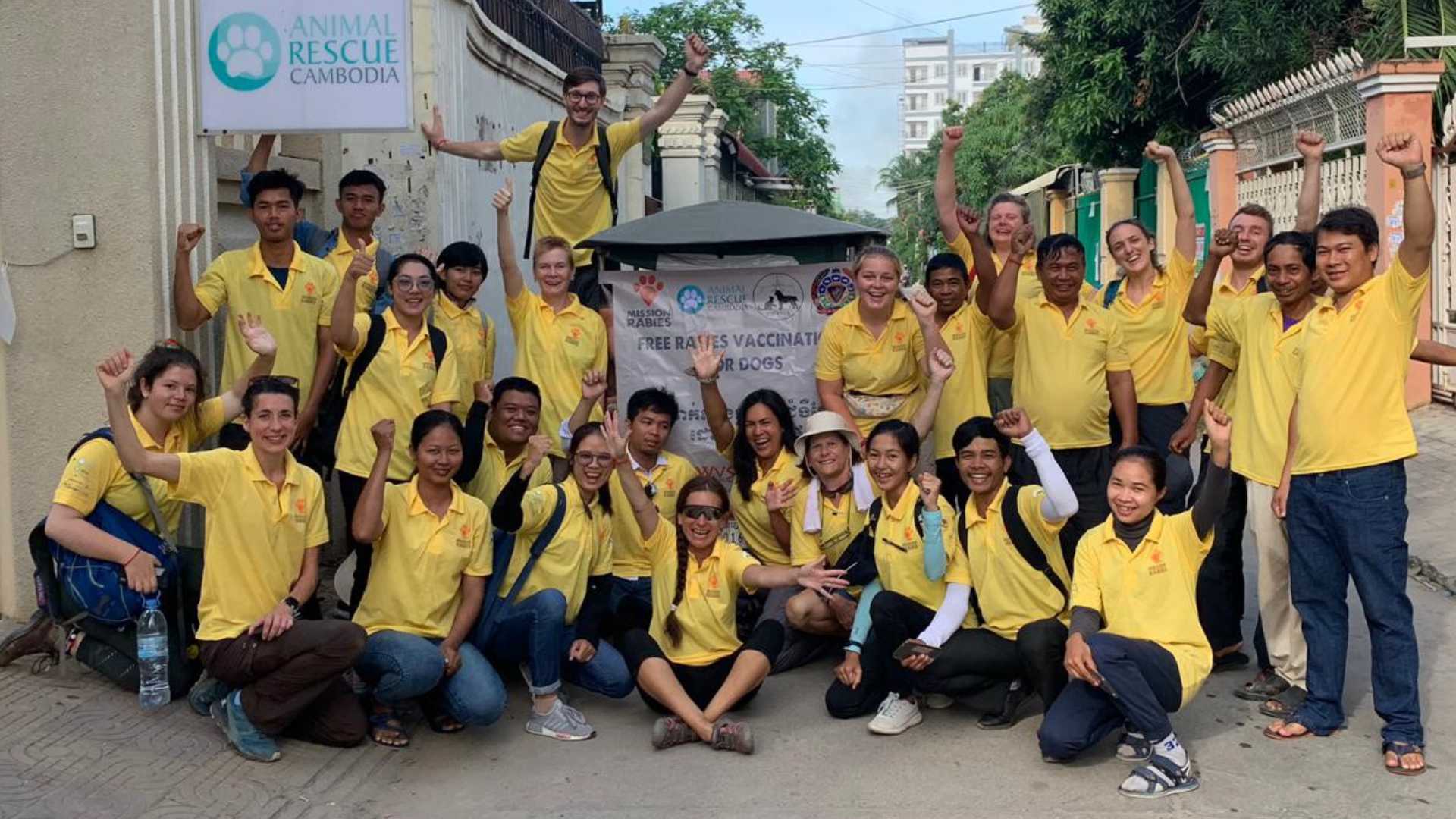
This pilot vaccination project has laid the groundwork for the scaled-up project in 2023.
Find out more about the work of Mission Rabies globally on our website.
In association with: